
Should I use a water pick during my treatment?

November 30th, 2016
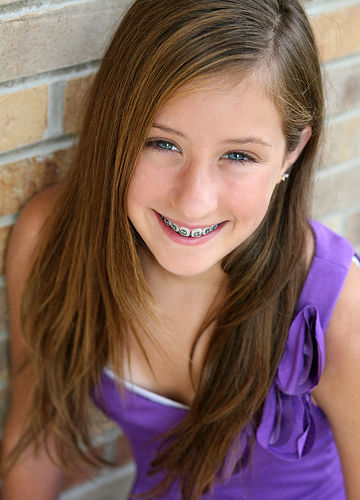
Dr. Donald Neely and our team at Hanover Orthodontics know that for some of our patients wearing braces, it can be difficult to weave through those wires and brackets as you brush and floss during your treatment.

Some of our patients use a water pick to flush out food and other particles and bacteria stuck between their teeth as the water can reach behind the metal wires and hit spots where your floss simply cannot reach. People suffering from gum disease also find water picks quite effective because of their ability to flush out bacteria from inside the deep pockets.

Water picks are friendly to braces and are also gentle on the gums. They are less likely to cause bleeding for people with sensitive teeth or gums. But as many benefits as they may have, Dr. Donald Neely and our team want you to know that water picks should never be used as a substitute for flossing. Though they are great tools for helping improve oral health while you are in treatment, they are just not a good enough tool on their own to keep your mouth and gums gingivitis- and decay-free. Water picks are also incapable of removing plaque from teeth as effectively as floss can. While water picks rinse the sticky bacteria off your teeth, flossing is actually more effective as it actually scrapes the bacteria off of your pearly whites.

If you have any questions about water picks or any general questions or concerns about your orthodontic treatment, we encourage you to please ask us below or give us a call!

Thanksgiving Trivia

November 23rd, 2016

At Hanover Orthodontics we love learning trivia and interesting facts about Thanksgiving! This year, Dr. Donald Neely wanted to share some trivia that might help you feel a bit smarter at the holiday dinner table and help create some great conversation with friends and family.

The Turkey

There is no historical evidence that turkey was eaten at the first Thanksgiving dinner. It was a three-day party shared by the Wamponoag Indians and the pilgrims in 1621. Historians say they likely ate venison and seafood.

According to National Geographic, the dinner at the Plymouth colony was in October and included about 50 English colonists and 90 American Indian men. The first Thanksgiving dinner could have included corn, geese, and pumpkin.

Today, turkey is the meat of choice. According to the National Turkey Association, about 690 million pounds of turkey are consumed during Thanksgiving, or about 46 million turkeys.

The Side Dishes

The green bean casserole became popular about 50 years ago. Created by the Campbell Soup Company, it remains a popular side dish. According to Campbell’s, it was developed when the company was creating an annual holiday cookbook. The company now sells about $20 million worth of cream of mushroom soup each year, which is a major part of the recipe.

While there were likely plenty of cranberries for the pilgrims and Indians to enjoy, sugar was a luxury. What we know today as cranberry sauce was not around in those early Thanksgiving days. About 750 million pounds of cranberries are produced each year in the US, with about 30 percent consumed on Thanksgiving.

The Parade

Since Thanksgiving did not become a national holiday until Lincoln declared it in 1863, the annual parades were not yearly events until much later. The biggest parade that continues to draw crowds is the Macy's Thanksgiving Day Parade. Beginning in 1924 with about 400 employees, they marched from Convent Avenue to 145th Street in New York City. Famous for the huge hot-air balloons today, it was actually live animals borrowed from the Central Park Zoo that were the stars of the show then.

However you choose to spend your Thanksgiving holiday, we wish you a safe, happy and healthy holiday with those you love.

Do I really need to wear my rubber bands with my braces?

November 16th, 2016

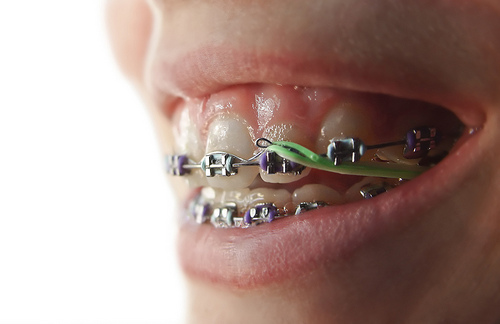
Most of our patients at Hanover Orthodontics will need to wear rubber bands at some point during their orthodontic treatment. The main reason our patients are instructed to wear rubber bands is to correct their bite. If your teeth do not fit together properly, Dr. Donald Neely will recommend that rubber bands be used. Dr. Donald Neely may also recommend using rubber bands to close or open spaces.

Rubber bands are a critical part of your treatment, and wearing them as Dr. Donald Neely and our team recommend will help move your teeth into the desired position. Dr. Donald Neely may ask you to wear your rubber bands full time, meaning that they should only be taken out when you brush and floss your teeth three times a day. Other times, you may be asked to only wear them part-time, like only during the day or only during sleep.

If you still have any questions about orthodontic rubber bands, we invite you to give us a call or ask us during your next adjustment appointment. Remember, wearing rubber bands as prescribed by Dr. Donald Neely is an important step during your treatment, and can reduce the time you have your braces. If you lose your rubber bands or run out, stop by our Hanover, NH office and pick up more!

Dangers of DIY Orthodontics on the Internet

November 9th, 2016

All over the Internet you'll find videos and articles showing how you can close the gap between teeth or space them out. There is a plethora of DIY orthodontic techniques out there — you can even mail order your own impressions to get clear aligners, without even seeing a dentist or orthodontist. Following the instructions laid out in these videos and articles (by people who have zero training in orthodontics) is about the worst decision you can make for your overall oral health.

Performing DIY or at-home orthodontia can lead to or cause:

  • Loss of teeth
  • Infection
  • Cavities or infections that are missed or undiagnosed
  • Gum damage

Dr. Christina Carter, president of the Northeastern Society of Orthodontists, says that DIY orthodontics can have terrible consequences. She spoke to TODAY about closing gaps between teeth using rubber bands or elastics:

"The teeth are connected to the gums and the blood supply and there is a risk of infection, of tearing the gums which might not heal properly, and a risk of damaging the attachment between the tooth and gums so the tooth no longer gets the support it needs." She also noted, "A simple rubber band can actually slide up the tooth and cut all the attachments to it and you can actually lose a tooth."

One of the worst parts about DIY orthodontics is that you never consult with a trained orthodontist, so you're really operating on a dangerous lack of information. It's best not to risk damage to your teeth or infection. Let Dr. Donald Neely know what you want to accomplish with your teeth and we will help you find the safest and most cost-effective way to achieve it.

Dr. Donald Neely want you to be informed and practical about your oral health. Should you have any questions about orthodontic treatment options, please do not hesitate to give us a call at our convenient Hanover, NH office.

outside of office directions