
The Intriguing History of Halloween

October 26th, 2016

Halloween is fast approaching, and Dr. Donald Neely wanted to be sure to wish our patients a happy day, no matter how you might celebrate this holiday. The Halloween that is familiar to most people today bears little resemblance to the original Halloween; back in the "old days" it wasn't even called Halloween!

Festival of the Dead

Halloween started out as a Celtic festival of the dead that honored departed loved ones and signified a change in the cycle of the seasons. The Celtic people viewed Halloween, then called "Samhain," as a very special day – almost like our New Years day in fact, as their new calendar year began on November 1st. Samhain was the last day of autumn, so it was the time to harvest the last of the season's crops, store food away for winter, and situate livestock comfortably for the upcoming cold weather. The Celts believed that during this day, the last day of winter, the veil between this world and the spirit world is the thinnest, and that the living could communicate with departed loved ones most effectively on Samhain due to this.

Modern Halloween

Halloween as we know it today started because Christian missionaries were working to convert the Celtic people to Christianity. The Celts believed in religious concepts that were not supported by the Christian church, and these practices, which stemmed from Druidism, were perceived by the Christian church as being "devil worship" and dangerous.

When Pope Gregory the First instructed his missionaries to work at converting the Pagan people, he told them to try to incorporate some of the Pagan practices into Christian practices in a limited way. This meant that November 1st became "All Saints Day," which allowed Pagan people to still celebrate a beloved holiday without violating Christian beliefs.

Today, Halloween has evolved into a day devoted purely to fun, candy, and kids. What a change from its origins! We encourage all of our patients to have fun during the holiday, but be safe with the treats. Consider giving apples or fruit roll-ups to the kids instead of candy that is potentially damaging to the teeth and gums.

Remind kids to limit their candy and brush after eating it! Sweets can cause major tooth decay and aggrivate gum disease, so to avoid extra visits to our Hanover, NH office, make your Halloween a safe one!

Tips for Handling and Avoiding Orthodontic Emergencies

October 19th, 2016

The best way to avoid orthodontic emergencies is to know how to take care of your braces properly throughout your entire treatment. However, emergencies are … well, emergencies, and sometimes no matter how cautious you are or how well you take care of your braces, the wires loosen, the bands pop, or you experience orthodontic discomfort.

Common orthodontic emergencies include broken braces, poking wires, lost or broken retainers, mouth sores, and mouth injuries sustained playing sports, which often happens when you don’t wear a mouthguard to protect your teeth and appliance.

Food

It’s important to avoid foods that can damage your braces. Most people wear braces for about two years. All chewy, sticky, crunchy, and hard foods should be avoided during that time. While this may seem like a long time to go without popcorn or bubble gum, hard foods can break the brackets of your braces and sticky foods can bend the wires. If you have a loose wire, don’t try to fix it yourself. Call Hanover Orthodontics. In the meantime, if a wire is poking into your cheek or lip and causing irritation, put wax or a wet cotton ball over it to dull the sharp edge.

Pain and Discomfort

Some discomfort is a normal part of orthodontic treatment, especially in the hours after the braces are placed on your teeth or after a recent tightening or adjustment. However, if the pain doesn’t subside in three to five days, it’s a good idea to schedule an appointment at Hanover Orthodontics. Until then, try dissolving a teaspoon of salt in an eight-ounce glass of water and gargling with the solution. Over-the-counter pain medication will relieve discomfort, too.

Playing Sports

Just because you wear braces doesn’t mean you can’t play sports. You just need to take some extra precautions. Sports-related injuries to the mouth and jaw are common. The best way to protect your mouth and your appliance is to wear a mouthguard. There are several different types of mouthguards available, so be sure to ask Dr. Donald Neely what’s best for you.

Brushing and Flossing

In order to keep your braces in good condition and avoid orthodontic emergencies, it’s important to brush and floss thoroughly after every meal. It’s easy for small particles of food to get trapped in your braces, and if the food isn’t removed, it gets wedged between the teeth and gums and causes plaque.

Need more tips on how to avoid orthodontic emergencies? Just ask any member of our Hanover, NH team.

Why is orthodontic treatment important?

October 12th, 2016

The goal of orthodontic treatment at Hanover Orthodontics, which may include the use of braces, retainers, and aligners, is to straighten your teeth. Treatment often starts in the pre-teen or teenage years, but adults may also need orthodontic treatment. The treatment can feel like a chore that lasts for several months or a couple of years, but it can fix important problems. These include:

  • Crowded teeth spaced too close together
  • Gaps between your teeth
  • Crooked teeth
  • Overbite or underbite
  • Upper and lower teeth that do not meet

Straight Teeth are More Attractive

You are more likely to be proud of your smile when your teeth are straight and evenly spaced. Pride in your appearance can give you more confidence and encourage you to try new things. This can be particularly important for adolescents. In addition, people often judge others based on first impressions. A smile that shows straight teeth is more attractive.

Better Oral Health is Easier

Brushing and flossing your teeth are two basic components of an oral health routine to protect your teeth from conditions such as tooth decay, gingivitis, and plaque build-up. As Dr. Donald Neely and our staff know, caring for your mouth is easier when your teeth are straight. The American Dental Association says the following conditions are less likely to occur if you have the proper orthodontic treatment.

  • Dental caries
  • Gum disease or gingivitis
  • Tooth loss
  • Impaired speech
  • Worn tooth enamel

Orthodontic Treatment Improves Nutrition

Poorly aligned teeth can reduce your ability to chew properly or make certain foods more difficult to eat. Many of these more challenging foods are healthy, and avoiding them can cause you to limit your diet to softer, often less-nutritious foods, such as ice cream and canned soup. Straighter teeth and a better ability to chew let you eat crunchy foods, such as apples and carrots; stringy foods, such as asparagus and chicken; and chewy foods, such as raisins.

Halloween Guidelines from the American Association of Orthodontists

October 5th, 2016

Fall can be a really enjoyable time of the year for you and your family. The kids are back in school, the leaves are changing, and Halloween approaches. This holiday is a lot of fun for kids, but Hanover Orthodontics wants to remind you it can also be risky, especially for your child’s braces. If you have kids with braces, take a look at the following tips from the American Association of Orthodontics (AAO) on how to keep your kids and their teeth safe this Halloween season.

Important Safety Tips

Trick-or-treating is a favorite Halloween activity for kids everywhere. While it is a great holiday tradition for children, it comes with some potential risks. To keep your kids safe while trick-or-treating, try following these simple guidelines:

  • If you have young children, make sure they are accompanied by an adult at all times.
  • You or your kids should always carry flashlights.
  • For costumes, try to include a light-colored or reflective element that can be easily seen by oncoming traffic.
  • Avoid costumes that include a mask, especially for younger children. These can pose a safety hazard for both the wearers and the people around them.
  • Tell your kids not to eat any of their candy until they arrive home. Be sure to inspect all treats carefully before letting them dig in.

Following these guidelines can help you keep your kids safe on Halloween.

Halloween Treats to Avoid if Your Child Has Braces

If your kids have braces, you’ll want them to steer clear of certain treats on Halloween. Many candies can cause damage to braces, so it’s wise to avoid them while you’re celebrating this fun holiday. Here is a list of treats to stay away from:

  • Hard candies
  • Chewy candies
  • Nuts
  • Caramel
  • Licorice
  • Jelly beans
  • Taffy
  • Bubblegum
  • Hard pretzels
  • Popcorn

Some of these treats may seem harmless, but all of them have the potential to bend or break your child’s braces. So it’s best to avoid eating them altogether.

Braces-Friendly Halloween Treats

If your children have braces, they may feel like they can’t enjoy any treats on Halloween. However, there are plenty of braces-safe treat options for them to choose from, including the following:


  • Soft chocolate
  • Peanut butter cups
  • Gelatin treats
  • Ice cream
  • Smoothies
  • Root beer floats
  • Apple cider

These are just a few braces-friendly alternatives to traditional Halloween candy. Helping your kids have a fun and safe Halloween—while at the same time protecting their braces—can be easy if you follow these simple tips and guidelines. Help your kids enjoy the holiday without having to visit Dr. Donald Neely for repair work on damaged braces!

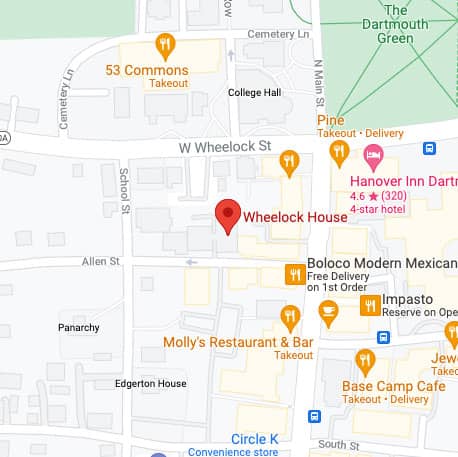
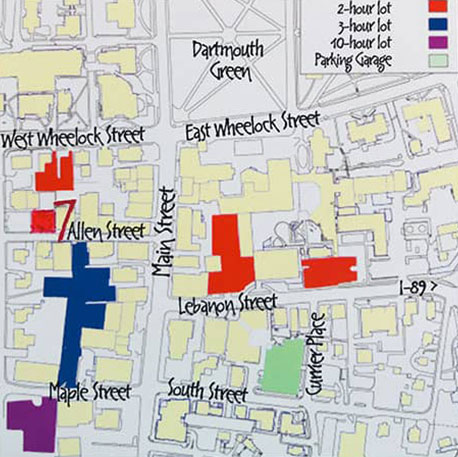
outside of office directions