

What's in my mouth? A Rundown of Orthodontic Appliances

August 20th, 2015

Dr. Donald Neely and our team correct the alignment of your teeth and jaws so that you can speak clearly, chew food effectively, and look attractive when you smile. We do this by putting sophisticated gadgets in your mouth. While many of these dental devices look similar, we use a wide variety of orthodontic appliances to straighten your teeth and repair jaw problems.

Orthodontic appliances are devices that move your teeth, change the position of your jaw, or hold your teeth in their finished positions after your braces are removed. These devices may be attached to your teeth or removable.

Braces straighten your teeth. Brackets, bands, and wires characterize traditional braces. Braces are attached to the teeth, so they are not easily removable.

Spacers are small plastic rings fitted between your back teeth before your braces are placed by Dr. Donald Neely. These spacers create space between your teeth to optimize the alignment your braces provide.

Retainers hold teeth in their finished position after your braces come off. A Hawley retainer is the most common type of retainer; it features an acrylic plate that rests against the roof of your mouth and a wire crossing in front of your teeth. Essex retainers are quite popular, as they are durable and nearly invisible.

Bite plates correct a deep bite, where the upper front teeth come down too far over the lower front teeth to cause bite problems.

Holding arches prevent the back teeth from moving forward to crowd the front teeth. A lower lingual holding arch prevents your permanent molars from migrating forward. The Nance holding arch maintains space between teeth after you lose baby teeth and before the permanent teeth come in.

A palatal expander widens your upper jaw by separating the bones of your palate. This appliance helps your top and bottom teeth fit together better. The Quad Helix widens your jaws to create more room for crowded teeth.

Contact our Hanover, NH office today to learn more about the ways we can improve the appeal and function of your smile.
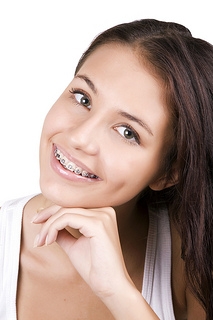

Why is flossing so important when I have braces?

August 13th, 2015

You've made an investment on spending money on getting braces, so why not keep your teeth in good health while undergoing orthodontic treatment?  Dr. Donald Neely and our team at Hanover Orthodontics will tell you it is just as important to develop a regular hygiene routine while you're wearing braces as you did before proceeding with treatment.

Flossing is essential to the health of your teeth and gums when you're wearing braces. Because braces may hold food, sugars and liquids upon eating, it is very important to keep on top of your brushing and flossing, as well as visiting our office for regular adjustments.

While we know it's tough enough to get kids to floss daily without braces, that battle becomes even tougher when braces are involved. Remember that by not flossing, you will become more prone to cavities and gum disease during your treatment.

When flossing, remember to gently massage your gums in between the teeth. You will find that flossing with braces takes extra time, as you will have to weave the floss through each bracket. When flossing, there should be no signs of blood. If you see blood, you are not flossing enough or properly.

Using an electric toothbrush is also a good idea to massage your gums before or after flossing as electric toothbrushes can help remove any harmful bacteria that are lingering in your mouth. And don't forget to add a mouthwash to your routine to break up any bacteria that has formed. A good mouthwash will help keep your teeth and gums in good shape during your treatment.

If you have any questions about flossing or your orthodontic treatment at Hanover Orthodontics please don't hesitate to give us a call or during your next adjustment appointment!

How to Care for Your Invisalign® Aligners

August 6th, 2015

Is it possible to straighten the teeth without braces? Yes, it is. Welcome to the world of Invisalign aligners. Invisalign aligners are made from a clear, thermoplastic material that is custom made to fit your teeth. Unlike conventional braces, Invisalign aligners are removable. More importantly, the clear thermoplastic material makes the aligners invisible, which is ideal if the thought of metal braces and elastics make you self-conscious. For the best results, proper handling and care of your Invisalign aligners is important. Follow these steps to take care of your aligners:

1. Do not eat or drink hot beverages while wearing aligners. It's a good idea to get in the practice of removing the aligners before eating and drinking. Because the aligners are made of plastic resin, heat can distort and damage them. Also, eating while wearing the aligners will cause sugar and other food particles to stay on your teeth, which contributes to plaque and tooth decay.

2. Clean the aligner trays regularly. Invisalign aligners are exposed to the same bacteria and plaque that your mouth is, so you need to clean them as regularly as you clean your teeth. However, avoid cleaning the aligners with harsh chemicals. We recommend using a cleaning kit or some other type of specific solution. When it comes to cleaning Invisalign aligners, carefully follow the instructions given by Dr. Donald Neely.

3. Store aligners in a cool, dry, safe place. When you’re not wearing the aligners, store them in the case provided by our office. If you don’t use the case, they can easily be lost. Keeping them out of reach of small children and pets is also a good idea. The last thing you want is for Fido to think your Invisalign aligners are chew toys.

4. Don’t chew gum while wearing aligners. There’s one thing that conventional braces and Invisalign aligners have in common: chewing gum damages both of them.

5. Don’t soak aligners in mouthwash. Many popular mouthwashes contain a color pigment. It’s possible that soaking Invisalign aligners in mouthwash will tint or stain them.

For more tips and tricks for a successful Invisalign experience, contact our Hanover, NH office!

Top Things to do BEFORE You Get Braces

July 30th, 2015

So you’re about to get braces. Congratulations! You are taking a very smart step to improve the health of your teeth as well as get that killer smile in shape. But, as with anything that is good for you, there are a few things you will have to avoid while you “do your time.”

Some foods don’t do so great with braces. The foods listed below should be avoided while you are wearing your braces because they can pop the brackets and bend the wires. In other words, these foods can really ruin your day, and send you back to Hanover Orthodontics to get your braces repaired.

So before you hit the chair, hit the grocery and candy store – one last time – for:

  • Beef jerky
  • Raw carrots
  • Taffy
  • Pizza crust
  • Bagels and other crusty bread
  • Popcorn
  • Hard candy
  • Nuts and seeds

Dr. Donald Neely and our staff will give you more information about eating with braces. Some foods, such as apples, are okay as long as you cut them in pieces first. Others, like pudding and pasta, are fine just as they are. But then there is “the list”: the foods that are a big no-no and should be avoided. It won’t be forever, so hang in there.

Your braces time will pass before you know it and you can resume more normal eating. But before the braces go on, enjoy these tasty treats. Go ahead and indulge!

outside of office directions