
The Invisalign® Treatment Process

September 17th, 2015

Invisalign is gaining traction as a sought-after solution for orthodontic problems. Unlike traditional braces, which require the placement of brackets on teeth and the connection of unsightly wires, Invisalign works nearly invisibly (as its name suggests). Particularly for those who do not wish to draw attention to their orthodontic work, Invisalign provides an attractive solution.

Consultation with a Treatment Provider

Our practice has received specialized training to work with Invisalign. During your consultation appointment, Dr. Donald Neely will assess your smile needs. In some cases, the type of problem may not lend itself to correction through Invisalign, and we may offer an alternative solution.

Creation of a Custom Treatment Plan

Invisalign works using a series of customized clear trays that fit almost perfectly over the teeth. To create these trays, Dr. Donald Neely will take X-rays and impressions of your teeth. These are submitted to a specialized laboratory that makes a 3D image of your smile. This is used to create a specialized treatment plan that provides an estimate of how long treatment will take.

Arrival of Custom Trays

Once your customized trays have arrived, the treatment begins. For Invisalign to work properly, you must wear the aligners 20 to 22 hours per day, removing them only to eat, drink, and brush your teeth. The trays gently draw your teeth into proper alignment, correcting your orthodontic problems as you go about your everyday life.

In general, you will replace your aligners with a new set every two weeks. This is to encourage your teeth to continue moving throughout the treatment process. You’ll need to check in with our Hanover, NH office every six weeks or so to ensure treatment progresses smoothly.

Beautiful Smile: Complete!

Once you complete your individualized treatment plan, you’ll have the smile you’ve always dreamed of. Like with traditional braces, Dr. Donald Neely may recommend that you wear a retainer to ensure that your teeth remain in their new positions.


What's the difference between an orthodontist and a dentist?

September 10th, 2015

Orthodontists and dentists both help patients improve their oral health, but in different ways. Dentistry is a broad medical specialty that deals with the teeth, gum, nerves, and jaw, while orthodontics is a specialty within dentistry that focuses on correcting bites, occlusion, and the straightness of teeth. One important difference is that all orthodontists like Dr. Donald Neely are dentists, but not all dentists are licensed orthodontists.

How are they similar?

The main similarity between a dentist and orthodontist is that they both focus on oral care. An orthodontist can work in a dental office and provide the same care as a dentist. So in this respect, they are quite similar. They are both considered doctors, and deal with the teeth and gums.

How are they different?

There are more differences than similarities. An orthodontist requires additional schooling as a dental specialty; the situation is similar to a doctor who obtains additional schooling to become a surgeon. Another difference is that orthodontists specialize in helping patients with the alignment of their teeth, improving their bite, or fitting them for corrective braces and devices. If a patient has an overbite, a dentist will refer him or her to an orthodontist.

Dentists typically encourage good oral hygiene and provide services related to:

  • Tooth decay
  • Root canals
  • Gum disease
  • Crowns
  • Bridges
  • Veneers
  • Teeth whitening

Orthodontists are dentists that specialize in the alignment of teeth, and provide services related to:

  • Misaligned teeth
  • Crowded teeth
  • Overbite
  • Underbite

What an orthodontist can help with

Orthodontists help with crooked teeth, but they assist patients with other issues as well. These include overbites and underbites, crossbites, spaces between teeth, overcrowding of teeth, and the treatment of temporomandibular disorders (TMD). Additional problems with the jaw also need to be treated by an orthodontist.

While a dentist may be trained to provide orthodontic care in addition to extractions, TMJ treatments, and fillings, trusting your smile to an orthodontist can better balance the different procedures you require.

To learn more about the difference between dentists and orthodontists, or to schedule an initial consultation with Dr. Donald Neely, please give our team at Hanover Orthodontics a call at our convenient Hanover, NH office.

Labor Day: Our favorite holiday to rest!

September 3rd, 2015

Labor Day, celebrated on the first Monday each September here in the United States, is a holiday devoted to the American working community. The purpose of the holiday is honoring the country's workers and their contributions to the strength of our country as a whole.

How Labor Day Started

There is actually some debate as to the origins of Labor Day. It is uncertain whether Peter McGuire, a cofounder for the American Federation of Labor, or Matthew Maguire, who was the secretary of Central Labor Union of New York, had the great idea. However, the Central Labor Union's plans were what launched the first Labor Day in America.

The First Labor Day

The very first Labor Day was celebrated on September 5th, 1882. The Central Labor Union then held annual celebrations on September 5th for what they called a working man's holiday. By the year 1885, the Labor Day celebration had spread to many different industrial areas, and after that it began spreading to all industries in the United States.

Labor Day Today

Labor Day today is a huge United States holiday during which we honor the country's workers with a day of rest and relaxation or a day of picnics and parades. This holiday is truly one to honor the many people who work hard to contribute to the economic well-being of our great country!

Our team at Hanover Orthodontics hopes all of our patients celebrate Labor Day, and every holiday, safely and happily. Whether you stay in the Hanover, NH area, or travel out of town, have fun, and don't forget to brush!

Foods that are Safe for Braces

August 27th, 2015

Orthodontic braces are used to straighten the teeth, which not only creates a more pleasing appearance, but also helps prevent tooth decay and other oral health problems. Braces are only effective when they are properly cared for, however. Certain foods, for example, are better suited for individuals who have braces, as opposed to hard and sticky foods that can cause damage. So, what types of foods should you or your kids eat to protect dental appliances?

The best foods to eat with braces are those that are not high in sugar and do not require excessive chewing. For breakfast, try eggs, yogurt, bacon, wheat toast, or oatmeal. Lunch may steer toward a banana rather than an apple, a salad without nuts, and a glass of water. If you are looking for some after-school snacks for your kids, consider baked tortilla chips with salsa and guacamole, or try string cheese with fruit.

A healthy dinner can include most types of vegetables, so long as they are cooked to an appropriate softness. Pair that with a lean protein, such as fish or chicken, and follow up with dessert. Just be sure to brush afterward!

Post-Tightening Foods

As braces begin to adjust the alignment of the teeth, our team at Hanover Orthodontics will periodically tighten them to continue the alignment process. After tightening occurs, the teeth may be sore and sensitive to certain foods. During this time, it is best to eat soft foods. Examples include:

  • Pudding
  • Mashed potatoes
  • Soup
  • Ice cream
  • Cottage cheese
  • Peas
  • Pancakes
  • Pasta

Foods to Avoid

Anyone who wears braces – whether fixed or removable – should avoid excessive snacking and should aim to eat a healthy and balanced diet. It is also important to avoid foods that could cause damage to the braces, such as:

  • Hard candies
  • Gum
  • Nuts
  • Popcorn
  • Certain raw vegetables (for example, carrots)

Considerations

Regardless of what types of foods you eat with braces, it is important to keep the crevices between the teeth and around the braces very clean. That means brushing and flossing after meals to prevent the build-up of plaque and decay. Not only can failing to do so damage the teeth, but it can also cause discoloration.

Have more questions about orthodontic treatment? The Hanover Orthodontics staff is always ready to answer all of your questions and help you get the most out of the treatment plan prescribed for you by Dr. Donald Neely!

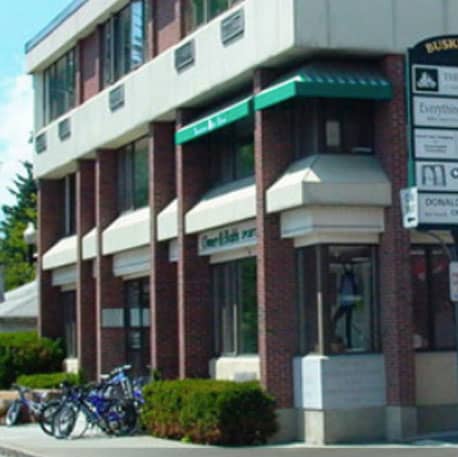
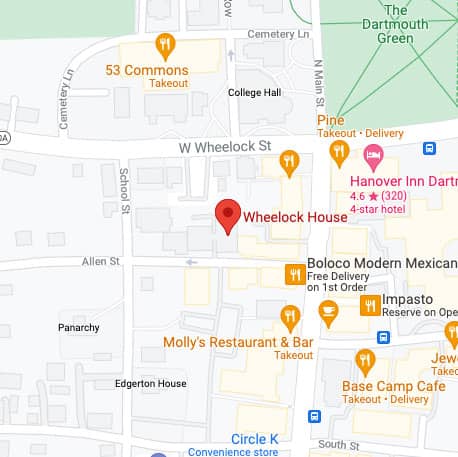
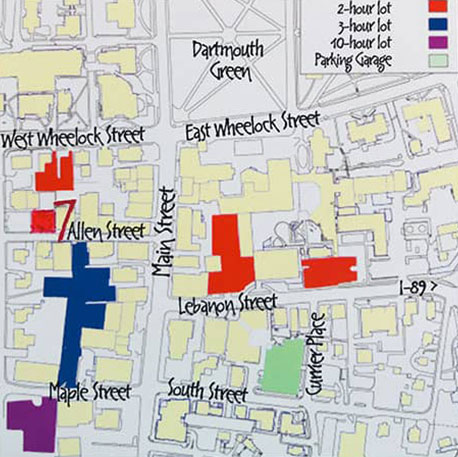
outside of office directions