
Things You Probably Didn’t Know About New Year's Eve

December 27th, 2017

It’s no secret that New Year’s Eve is one of the most widely celebrated holidays in the world. Dr. Donald Neely and our team love it too. It’s a fresh start, another year of surviving the crazy world we live in, a time to refocus on the things we want for ourselves, a celebration with those we love … the list goes on.

Dozens of countries welcome the New Year with over-the-top parties and celebrations. Because it’s a public holiday, many offices, businesses, and schools close for the day. As you think about your plans for this holiday, here are some fun facts about New Year’s that might surprise you!

Can you guess what the most common New Year’s resolutions are? You may already have one or two of these on your own personal list. The top five New Year’s resolutions are: to quit smoking, get a new job, lose weight, increase personal savings, and return to school. Just remember that coming up with a concrete plan to reach your goals is the surest way to achieve your resolutions!

About one million people brave the cold to watch the New Year’s Eve ball drop in New York City’s Times Square in person. Yes, that’s one million! This event is one of the most iconic celebrations in the world. People travel from all over just to experience it, but you can watch from the warmth and comfort of your living room.

If you’re not a fan of cabbage, collard greens, black-eyed peas, or ham hocks, you might want to revise your tastes. All these foods are all regarded as lucky fare on New Year’s Day. Unless you’re allergic, of course!

For many people in Mexico and Latin America, eating 12 grapes at midnight is a tradition that brings good luck in the 12 coming months. Most people even make a wish per grape!

Whether you’re celebrating in Hanover, NH or traveling elsewhere to observe the holiday, New Year’s Eve is a time to enjoy the company of your friends and family. Don’t forget to send warm wishes to your loved ones, and snag a midnight kiss with that special someone if you can!


Foods can Wreak Havoc on Your Enamel

December 20th, 2017

It’s possible to develop tooth decay even when you take great care of your teeth. Brushing and flossing may not be enough to keep your teeth healthy, depending on your diet. Cavities, discoloration, and decay are still possible when certain foods feature in your daily intake. Keep an eye out for foods that will damage your enamel and cause the very issues you’ve been trying to avoid.

What causes enamel damage?

Tooth enamel is the hard outer layer of your teeth that is made of various minerals. Tooth decay results when the acids in your food react with the minerals in your enamel. Strongly pigmented foods may also cause unsightly discoloration on the surface of your teeth. Avoid wreaking havoc on your beautiful smile by identifying the foods that can harm your enamel.

Acid

Acidic food is your teeth’s worst nightmare! This is the greatest cause of enamel damage, even if you brush and floss regularly. To avoid damaging your teeth, make sure you can determine whether a food is acidic or not.

The pH levels are a way to determine acidity on a one-to-seven scale. This defines the relative acidity or alkalinity of a food or substance. Foods with high pH levels are not as likely to harm your enamel.

It’s wise to avoid or minimize foods that are high in acids. Highly acidic food can include fruits such as lemons, grapefruit, strawberries, grapes, and apples. Moderately acid foods may surprise you; they include tomatoes, maple syrup, pickles, and honey.

Not surprisingly, eggs and dairy products such as milk and cheese contain the least amount of acid. Red wine and coffee can also discolor your enamel if they’re drunk in excessive amounts.

What can I do to prevent enamel damage?

There are plenty of ways to avoid discoloration and decay of your enamel. The best thing to do is limit the amount of high-acid foods, including sugary juices and soda, in your diet.

Another way is to brush and floss regularly, an hour after each meal. If you can’t make time to brush, an easy solution is to swish your mouth with water or mouthwash to rinse away any leftover acidic particles.

Damaged tooth enamel may be common, but is avoidable when you know which foods to stay away from and the steps to take after you do eat highly acidic foods. Take our advice and you’ll be sure to slow down any future discoloration and decay that happens in your mouth.

For more advice on protecting your enamel, give our Hanover, NH a call to learn more!

Treatment Options for TMD

December 13th, 2017

Temporomandibular dysfunction (TMD) refers to a diverse range of disorders that relate to muscular function in the jaw and face — the temporomandibular joint (TMJ). That could mean difficulty opening your mouth, pain in the jaw or face, or any sort of problem with the jaw joint.

TMD can be difficult to diagnose because of the varied causes. Whatever the case, an accurate diagnosis from Dr. Donald Neely helps make treatment as successful as possible.

Most often, jaw problems will resolve themselves within several weeks or months. Surgeries like arthrocentesis, arthroscopy, and open-joint surgery should be a last resort. More conservative and reversible treatments should come first and are in fact the most critical step in the treatment of TMD.

Less invasive treatments like acupuncture and splints can be helpful, but that will depend on your particular case. It’s worth your while to speak with Dr. Donald Neely at our Hanover, NH office to learn about solutions that could work for you.

A combination of treatments will most often produce the greatest relief for TMJ patients. It’s a good idea to avoid activities that overuse the jaws, such as chewing gum or clenching your jaws.

You can be proactive in finding relief for TMD by trying the following remedies at home:

  • Eat soft food: When you eat soft and/or blended food, your jaw gets an opportunity to rest. Avoid chewy and crunchy food, and food that requires you to open your mouth wide, like apples or corn on the cob.
  • Apply moist heat: A hot water bottle wrapped in a moist towel can help reduce symptoms.
  • Apply ice: Applying an ice pack wrapped in a cloth or towel for no longer than 15 minutes may also reduce pain and promote healing.
  • Do jaw exercises: A physical therapist can help identify the exercises that will work for you. Jaw exercises have been shown to be an effective treatment method that can be performed at home.
  • Relaxation: Actively try to relax the muscles of the face and lips, and let your teeth come apart. Many find meditation, yoga, and slow, deep breathing to be helpful for reducing stress and tension.
  • Avoid wide yawns: Keep your fist under your jaw when you feel a yawn coming on, to keep your jaw from opening too widely.

How to Floss with Braces

December 6th, 2017

The Hanover Orthodontics team knows that oral hygiene is important, whether you have braces on your teeth or not. But if you are a person who wears braces, caring for your teeth and gums can become somewhat challenging. Without daily oral hygiene practices, you may become prone to cavities and tooth decay during your time in braces.

Naturally, you know that brushing your teeth each morning and night, as well as after you eat, will help keep your mouth healthy and clean during the months you wear braces. But flossing is also an important part of your hygiene routine. Flossing with braces can be tricky, but it’s not impossible. Dr. Donald Neely, your general dentist, or your dental hygienist can help you become more comfortable and adept at flossing your teeth during the months you wear braces.

Flossing Tips for Those with Braces

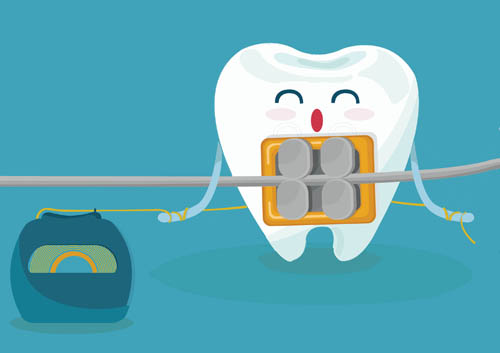
  • Use Tools Provided by Our Office. A floss threader is a small, plastic needle that will help you floss between the wires and your teeth. Thread a 12-to-18-inch piece of floss onto the needle, and use the needle to get the floss easily behind the wires.
  • Flossing Under the Wires. Once the floss is behind the wires, use your hands to manipulate the floss. Move it up and down along the wires to remove food particles.
  • Flossing Between Your Teeth. Floss between your teeth as you normally would without braces. Move the floss up and down between your teeth, using a clean section of floss for each tooth.
  • After You Finish Flossing. Your orthodontist may have suggested that you use a water pik or proxy brush after you finish brushing. Either of these tools will help remove any loosened food particles to ensure that your teeth and braces are clean.

Continue Good Oral Hygiene Habits

Good oral hygiene habits you use while wearing braces will help you achieve the beautiful smile you and the Hanover Orthodontics team have been working toward. Once your braces are off, it may be tempting to slack off on the brushing and flossing. Don’t let yourself fall into any habits that will have a negative impact on your oral health or the attractive smile you waited for throughout the months you wore braces. See your general dentist for regular cleanings, and continue to brush and floss your teeth each day.

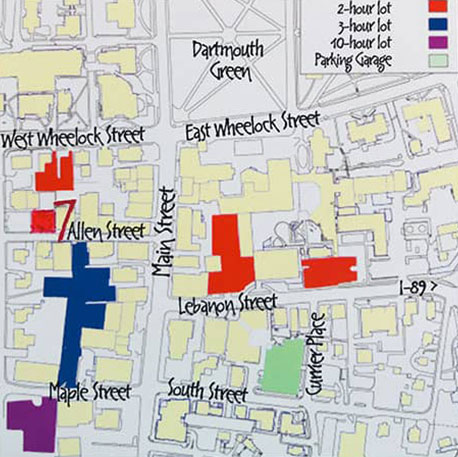
outside of office directions