

Sugar and Your Orthodontic Treatment

January 24th, 2018
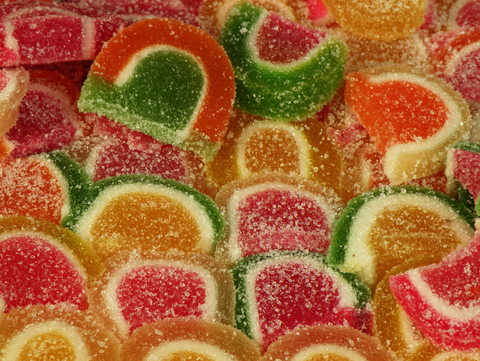
One word no one likes to hear is “cavity!”

For those patients of ours wearing braces, hearing that word is especially problematic, considering that delaying any dental work may result in delaying treatment time.

We often blame candy as the culprit behind tooth decay, but other foods and drinks that kids consume can be just as harmful to their teeth, and can lead to cavities and tooth decay. Keeping your teeth or your child’s teeth from decay during treatment starts with a proper diet, and today, our team at Hanover Orthodontics will explain the negative effects that candy and other treats, including peanut butter, raisins, fruit juice, and chewy fruit snacks, have on your child’s teeth as he or she undergoes orthodontic treatment. Keep in mind that half of your child’s sugar intake may be coming from beverages that he or she drinks. A major offender is soda, but be mindful of fruit juices as well.

While sugar is known to sit in your child’s teeth and in between and under brackets and wires after consumption, it is important to know sugar is not the only cavity-causing culprit. Carbohydrates, starches, acids, and any food that is chewy or sticks break down into sugars, and can promote tooth decay.

So, what are the alternatives?

Candy such as dark chocolate, sugar-free gum, or anything that contains xylitol, a sugar substitute, is not as harmful for your teeth as hard, chewy, or sticky sweets. Sugar-free gum or gum that contains xylitol are known to reduce levels of bacteria on teeth.

And if you’re still looking for something to snack on, we recommend cutting up easy-to-eat fruits and vegetables. You would also be surprised how much eating a banana or sipping on a glass of water helps you curb snack cravings.

If you’re one of those folks who just can’t stay away from sweets, we encourage you to brush your teeth immediately afterward and swish water in your mouth.

Whatever you eat, Dr. Donald Neely and our team want you to remember to brush often, floss regularly, and visit your general dentist as your treatment progresses. If you have any questions about sugary foods or drinks, please give us a call or ask us during your next adjustment visit!


Rubber Band Horoscopes: What your color says about you

January 17th, 2018

One exciting part about wearing braces from Hanover Orthodontics is getting to choose the colors of your rubber bands. Orthodontists place elastic bands, or ligatures, over each bracket to secure the archwire in place. These rubber bands may be individual or connected, depending on your mouth’s needs. From Dr. Donald Neely, you have the option of choosing the color of your elastics, which are changed about once every month at every visit. Our offices keep a color wheel handy to help you choose which ones suit you best!

Children and teens often enjoy picking different colors each month to express their creativity and coordinate their braces with outfits. Decorating your mouth with your favorite colors is fun for kids and takes some of the stress out of wearing braces. Adults who wish for subtlety have color options that blend in with the metal brackets and archwire. Common choices for adults include silver, clear, and gray tones.

Common Color Combinations for Rubber Bands

With individual ligatures for each bracket, you may choose different color combinations for special events. You can have alternating colors or place an entire rainbow over your teeth. Here are a few options to consider:

  • School spirit colors
  • Favorite sports team colors
  • Patriotic colors
  • Holiday themes

Some patients choose only one color to match their mood, personality, or favorite outfits. The palette of choices allows you to make bold statements with your braces or go for subtler tones that blend in with the metal structures. Keep in mind that bright colors make your teeth look whiter, while lighter shades, such as yellow and white, may cause your teeth to appear less bright.

What Your Rubber Band Color Says About You

  • Red tones indicate that you are ready for action and take charge of your life with aggressive, forward-thinking steps.
  • Blue tones are calm and relaxing. You are conservative and exhibit integrity when dealing with situations.
  • Green tones represent growth and balance. You are level-headed and look for opportunities to grow emotionally and spiritually.
  • Purple tones attract creative energies. You like to have fun and use your imagination in every aspect of your life.
  • Orange tones indicate that you are optimistic and thrive in social situations where communication is open.
  • Pink is a romantic color that represents a caring personality. You also enjoy having fun with silly games and endless laughter.

Diet Soda vs. Regular Soda: Which is better for teeth?

January 10th, 2018

When most patients ask Dr. Donald Neely this question, they're thinking strictly about sugar content — cut out the bacteria-feeding sugar that's present in regular soda by opting for a diet soda and it will be better for your teeth. That seems logical, right? Well, there's a bit more to it than that. Let's take a closer look at how any kind of soda can affect your dental health.

Diet Soda – Why it can also lead to tooth decay

The main culprit in these drinks that leads to decay is the acid content. Diet sodas and other sugar-free drinks are usually highly acidic, which weakens the enamel on your teeth and makes them more susceptible to cavities and dental erosion. The level of phosphoric acid, citric acid, and/or tartaric acid is usually high in sugar-free drinks so it's best to avoid them.

Some patients also enjoy drinking orange juice or other citrus juices. These drinks are high in citric acid and have the same effect on the enamel of your teeth.

So what about regular soda?

We know the acidity of diet sodas and sugar-free drinks contributes to tooth decay, so what about regular soda? Like we alluded to earlier, regular soda is high in sugar — a 12 ounce can contains roughly ten teaspoons of sugar — and sugar feeds the decay-causing bacteria in the mouth. This also includes sports drinks and energy drinks, which are highly acidic and loaded with sugar too. So these drinks are a double-whammy of sugar and acidity your teeth and body simply don't need.

The problems caused by both diet and regular soda is exacerbated when you sip on them throughout the day. If you drink it all in one sitting, you won't be washing sugar and/or acids over your teeth all day long and your saliva will have a chance to neutralize the pH in your mouth.

The best beverages to drink and how to drink them

Drinking beverages that are lower in acid is a good step to take to keep your enamel strong. According to a study conducted by Matthew M. Rodgers and J. Anthony von Fraunhofer at the University of Michigan, your best bets are plain water, black tea or coffee, and if you opt for a soda, root beer. These drinks dissolved the least amount of enamel when measured 14 days after consumption of the beverage.

If you still choose to drink soda, diet soda, sugar-free drinks, or juices here are some other tips to lessen tooth decay:

  • Drink your soda or acidic beverages through a straw to minimize contact with teeth
  • Rinse with water immediately after consumption of the beverage
  • Avoid brushing your teeth between 30 minutes to an hour after drinking the beverage as this has been shown to spread the acids before your saliva can bring your mouth back to a neutral pH
  • Avoid drinks that have acids listed on the ingredients label

Still have questions about soda, sugar, and acid? Give our Hanover, NH office a call and we’d be happy to help!

Orthodontic Treatment through the Internet

January 4th, 2018

You can learn just about anything on the Internet these days. You can also order just about anything on the Internet these days.

But would you order your braces on the Internet? There’s a new trend involving websites that claim to offer a solution for straightening teeth, without your ever seeing a dentist or orthodontist in person.

These companies usually have patients take an impression of their teeth using putty and a tray. Then you mail the impressions back to the company where a dentist reportedly examines them and suggests a course of treatment using 3D modeling software.

A series of clear aligners are made, to be worn by the patient in order to attain the desired result. Although this form of orthodontic treatment may cost less than seeing an orthodontist in person, there are several reasons why you should avoid it:

  • Potential health hazards are missed: If your oral health is not up to par (e.g., you have cavities, gingivitis, chipped teeth, etc.), an orthodontist would not suggest orthodontic treatment. Only after these issues are addressed would treatment be considered as an option. Whether this is the case with a person can’t be known when all the doctor sees is a set of impressions.
  • Lack of information about the patient: Before you receive any orthodontic treatment, an orthodontist will have X-rays taken to make sure you are a good candidate. If the bones or teeth do not look like they would align properly with treatment, another course of care may be suggested, even necessary. None of this background is available to over-the-net orthodontic providers.
  • No regular checkups: The purpose of regular checkups with Dr. Donald Neely is to ensure that everything is moving properly, on schedule, and most important, safely. This lack of hands-on care with Internet orthodontics could be a hazard for you as a patient and has the potential to do more harm than good.

It’s not worth the risk of getting orthodontic treatment over the net just to save some money. Our Hanover, NH office is committed to working with you, whatever your financial situation may be.

Let’s work together to give you the smile you deserve!

outside of office directions