My toothbrush did what?

January 22nd, 2020

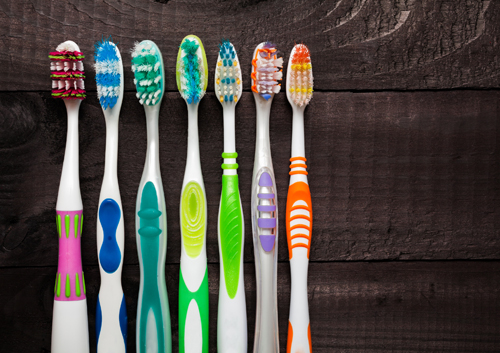
If you were to put your toothbrush bristles under a high-powered microscope, what you would see might give you nightmares: millions of bacteria, busily crawling up and down your toothbrush bristles, consuming proteins that came from your mouth, and still clinging to the bristles even after you’ve rinsed them with water.

Rinsing your toothbrush after brushing removes some of those ferociously hungry bacteria, but not all. The American Dental Association says that bacterial infestations develop on toothbrushes within a month of daily use. The ADA also states that unless a toothbrush is sterilized before being packaged, it’s going to come with bacteria – free of charge!

Germs and Frayed Bristles: the Demise of a Toothbrush

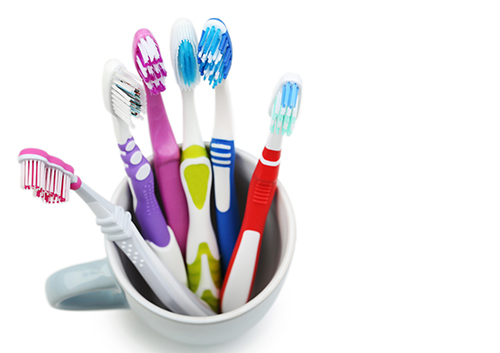
Dr. Donald Neely and our staff recommend that you toss your old toothbrush in the trash and purchase a new one every three months. Children tend to bite on their toothbrushes, which makes the bristles degrade and fray faster. Chances are kids may need to have their toothbrushes changed more frequently.

Where do they hide?

Bacteria are tenacious little germs that head for those concealed areas between toothbrush bristles. They are highly adaptable and exist in every type of extreme environment. Some people actually go so far as to put their toothbrush in a microwave for a few seconds to kill germs, but this doesn't always work either. In fact, you may only end up with a toothbrush that’s as bendable as a Gumby doll – and still covered with germs.

Feed a Cold, Starve a Fever, and Get Rid of Your Toothbrush

When you have a head cold, your mouth is teeming with bacteria gleefully roaming around, and gobbling mucus and dead skin cells. If you brush your teeth while suffering a sinus condition, the brush will act like a magnet for ravenous bacteria. Use your old toothbrush while you are sick, but as soon as you feel better, throw it away and get a new one. Otherwise you could possibly re-infect yourself with the same cold germs!

Fantastic Elastics

January 15th, 2020

If you already wear traditional braces, you know all about these helpful little rubber rings. But if you are new to the world of braces, you might like to know just what kind of elastics are available and what they can do for you.

  • Ligatures: Alignment Assistance

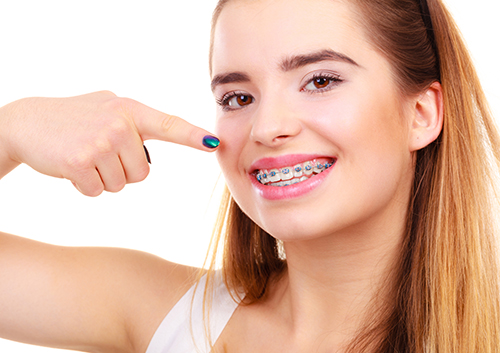
When you get your braces, the brackets you’ve chosen will be bonded to your teeth. Once they are attached securely, an arch wire will be threaded through the brackets to provide consistent gentle pressure, moving your teeth into their best positions. But what holds that wire in place? This is where those tiny, colorful bands, called ligatures, come in. Fit snugly around the wire and the bracket, they keep the wire where it needs to be to move your teeth to a better alignment.

There are also ligatures call “c-chain ligatures,” or “power chains.” These tiny ligature bands are connected to each other, and fit across the brackets in one long strip. This design lets them not only hold your wires in place, but help move your teeth closer together at the same time. They come in a variety of sizes depending on the spacing of your teeth, and might be worn weeks or months as needed.

One thing to remember is that while ligatures are essential, they are not permanent! Every time you have your wires tightened or replaced, you can make this an opportunity to express your personality through your choice of bands. There is a wide variety of color choices available, so take advantage of it!

Show your school spirit by displaying your high school’s colors. Go orange and black for Halloween. Match your ligature tones to your go-to clothing colors. Or, go monochromatic. Match grey or silver bands to your brackets, or choose white or clear bands if you have ceramic brackets. (One word of caution—light colored ligatures can pick up stains from dark foods and drinks. On the other hand, they won’t be around that long!)

  • Rubber Bands: Building Better Bites

While ligatures are the colorful attention-getters in the elastics world, there are other bands that do very important work. When you have a malocclusion, or bad bite, your upper and lower jaws don’t fit together perfectly. We use rubber bands to align your bite correctly and carefully move it into the proper position. This is accomplished by attaching bands to tiny hooks on specially chosen brackets on the upper and lower teeth. The bands usually connect an upper bracket to a lower one, and are specifically placed to correct your unique bite problem.

If you need this type of elastic, you will play a very important part in making your orthodontic treatment work. You will probably need to wear your bands 24 hours a day, removing them only for brushing and flossing. (Talk to us about how to work with your bands when you are eating, playing an instrument, or wearing a mouthguard.) And they need to be replaced several times a day, which is where you come in.

Even if the bands look perfect, after hours of work, they lose the tightness needed to keep moving your teeth to their best position. Bands that are too loose won’t be as effective. On the other hand, doubling the bands is a bad idea because that might apply too much force. Bands come in a variety of sizes and strengths, and yours have been chosen for this specific phase of your treatment. Keep calm, keep to a schedule, and keep a supply of bands on hand in case one breaks, and everything will work out.

If this sounds like a lot of confusing information, don’t worry! Dr. Donald Neely will supply you with the right bands for your treatment, clear instructions on where and how to place them, and practice time for putting them in. You’ll probably need a mirror at first, but you’ll become an expert in no time.

If you ever have questions we can help you with, contact our Hanover, NH office immediately. We are here to guide you through the process and help you with any problems you might have. Wearing your bands consistently and correctly will help you achieve your beautiful smile in the shortest time possible. And that’s an accomplishment that is truly fantastic!


Toothbrush Arts and Crafts

January 8th, 2020

When you replace your old toothbrush every three or four months with a new model, you accomplish three things:

  • You keep your teeth cleaner (frayed brushes don’t clean as well)
  • You protect your gums (you won’t be scrubbing harder to get your teeth clean)
  • You add another toothbrush to your growing collection of used brushes

If creative recycling is one of your talents, you might have already discovered how handy repurposed brushes are for cleaning delicate or hard-to-reach spaces around the house. But those old brushes don’t have to spend their entire existence cleaning! Here are some ideas from Dr. Donald Neely to give a new, artistic life to your old, uninspired toothbrush.

  • Splatter Painting

As your bathroom mirror can confirm, toothbrushes are great for splattering. Why not put those bristles to creative use by adding color bursts to canvas, wooden picture frames or boxes, fabric, cards, gift wrap and more? Just dip the tips of the bristles into the paint, point them toward your surface, and brush your finger over the head. For more formal effects, splatter paint over your favorite stencils on paper or fabric. Or work your magic by splattering around a stencil for a dramatic silhouette.

  • Children’s Painting

Your child might find it great fun to use an old toothbrush to create new works of art. The easy-to-grip handle and wide bristles are perfect for painting those first masterpieces. Splatter painting is also a wonderful art activity for children—but be prepared for some clean-up!

Texturizing Clay Pieces

Whether you work in potter’s clay, polymer clay, or Play-Doh, an old toothbrush can provide any number of interesting textures to your piece. Press the bristles into the clay for a sophisticated stippled background, or brush long gentle strokes for a striated effect.

  • Carpentry

Wood glue creates strong bonds when you are joining edges, mitering corners, or fitting mortise and tenon joints. It also creates a sticky mess when you use your fingers, a wood or plastic spreader, or one of your good paint brushes. For any gluing jobs or joinery, try a toothbrush for greater control and easy application.

  • Jewelry Making

If you work with jewelry pieces, you know that sometimes there are nooks and crannies that are almost impossible to clean or polish. Try a gentle brush with an old toothbrush and the recommended polish for your piece—but do keep brushes away from the delicate surface of pearls. And for the boldly creative, why not use your toothbrush itself as jewelry? There are online instructions out there for transforming that old brush into a colorful bangle bracelet.

In turns out that there’s a second career waiting for your toothbrush after all! Make sure to clean your toothbrushes thoroughly before using them in another role. After that, let your creativity run wild—including your creative recycling! It’s just another way you are crafting a more beautiful environment for all of us.

When is the best time to floss?

January 1st, 2020

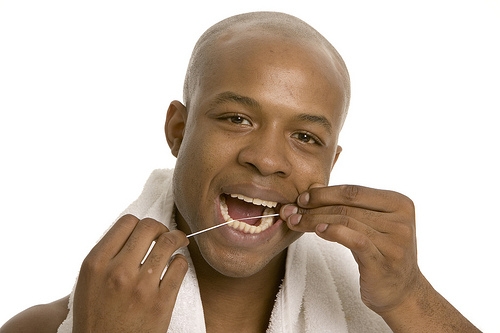
At Hanover Orthodontics, we prefer our patients to practice good oral hygiene between office visits. Part of that process includes flossing, which Dr. Donald Neely will tell you, is the process of cleaning between the teeth to remove food and debris from the areas that are hard to reach with a toothbrush. When food is allowed to remain between the teeth, it provides a breeding ground for bacteria, which can cause periodontal disease.

Should you floss before or after brushing?

You can floss either before or after brushing, according to your own preference. By flossing first, you can brush away dislodged food debris afterward. On the other hand, brushing first allows you to loosen plaque between the teeth, making it easier to floss more effectively.

Whichever you choose, the most important goal is to floss thoroughly. That means using a fresh strand of dental floss each day, and carefully pulling it back and forth between all of the teeth. Do not skip flossing because your teeth look or feel clean.

When to Floss

Unlike brushing, you need only floss between your teeth once per day. Although you may choose to do it in the morning or afternoon, many prefer to floss at night to prevent food and debris from remaining in the crevices of the teeth overnight. This could prevent the build-up of plaque too, which is a cause of tooth decay.

Help with Flossing

If you have questions about your flossing technique or what type of floss is best for your teeth, contact our office. Our staff will be more than happy to assist you in perfecting your home hygiene regimen. In most cases, you can choose between interdental cleaning picks or flexible floss strands to perform your daily flossing routine. If you have permanent oral appliances or restorations, be sure to follow the flossing instructions provided to you, and contact our Hanover, NH office with any questions.

outside of office directions