
Breakfast with Braces

May 6th, 2020

Breakfast is called the most important meal of the day for many reasons. Children need to refuel after a long night’s sleep, and studies suggest that school kids who eat a good breakfast have more energy, better attendance and behavior, and even higher test scores than kids who don’t.  

But sometimes, especially with new braces or braces that have just been adjusted, the last thing on your child’s mind is breakfast. Fortunately, Dr. Donald Neely can recommend many early morning options that will be both gentle on braces and healthy for growing bodies!

  • Yogurt

Soft, creamy, and filled with calcium and vitamin D, yogurt is an easy and nutritious choice. Try different fruit flavors or Greek yogurt for variety.

  • Eggs

Packed with protein, scrambled eggs are delicious on their own, or with the addition of cheese or soft veggies. If you’d like to add a bit of flair to the table, a cheese omelet is another great choice. Any egg option is a good one—just remember to skip the crunchy toast on the side.

  • Smoothies

Not only a great way to start your day, but a great way to get vitamins and minerals in one delicious meal. And with a flavor base of banana, mango, berries, or apple, no one will notice if some spinach or kale make their way into the blender!

  • Oatmeal

Unfortunately for the cereal lover, crunchy cereals and even granola are potentially damaging to wires and brackets. But oatmeal is a healthy alternative that can be made even tastier with the addition of soft fruits such as mangos, berries, and bananas.

  • Breads and Pastries

Crunchy and chewy breads and pastries can lead to broken brackets and wires. Soft breads, pancakes, non-crunchy French toast, and soft pastries are much kinder to braces. Because so many of these options are rich in sugar (especially with syrup!), it’s best to go lighter on foods like this and be sure to brush carefully afterward.

  • Fruit

Bananas, peaches, nectarines, berries—if it’s soft, it’s good to go! Cut larger fruits into bite-sized pieces. Dried fruits like raisins, dates, and cranberries can be chewy, sticky, and sugary, so best to take them off the shopping list for the time being.

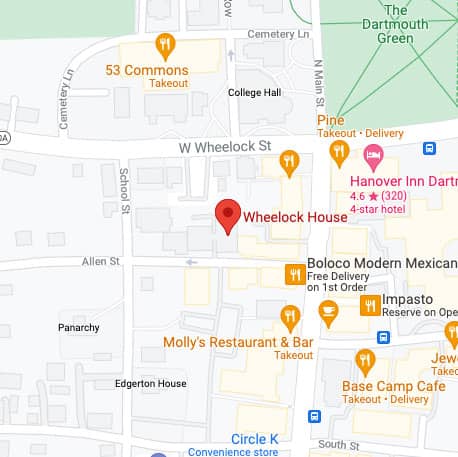
It’s described as the most important meal of the day for many good reasons. With some of these easy-to-prepare breakfasts, you can add delicious, healthy, and braces-friendly to that description! If you stumble on a delicious recipe, don’t forget to share it the next time you visit our Hanover, NH office!

Snacks for Healthy Teeth while Watching the Big Game

April 29th, 2020

It's almost game day and you're wondering what to put on the menu for your guests. Most snacks are typically highly processed and unhealthy. Why not mix it up this year and opt for some snacks that promote good oral health? Here are some of Dr. Donald Neely favorites!

  • Apples, carrots, celery, and cucumbers: These foods and other crispy, fibrous, fruits and vegetables are an excellent choice for the big game. Not only are they rich in vitamins and minerals which your body and mouth need, they are also known as detergent foods because of the cleaning effect they have on the teeth and gums. Try apples wedges spread with peanut butter and sprinkled with cinnamon.
  • Beans: Beans are filling because they are packed with fiber and that keeps you from opting for sugary or fatty snacks. Along with fruits and vegetables, beans should be one of the stars of your game-day snack lineup. How about some hearty chickpea hummus with cucumber chips?
  • Nuts like almonds, walnuts, pistachios, and cashews: Nuts abound in the minerals that help keep your teeth and gums strong like calcium, magnesium, and potassium. Put out a bowl of raw or roasted nuts for your guests as a crunchy, satisfying alternative to chips or crackers. Recent research even shows that the polyunsaturated fatty acids in nuts may help prevent gum disease. But remember not to eat the whole bowl! Nuts are very high in calories and a little goes a long way. Enjoy and handful or two along with your other healthy snacks.
  • Dark chocolate: This one may be hard to believe at first, but research shows chocolate can be great for your teeth and help prevent decay! Now don't run off and start stocking your pantry with a bunch of that super sweet stuff, because these benefits come mainly from the tannins, polyphenols, and flavonoids present in the cacao bean. Dark chocolate is the least processed variety of chocolate and the closest to the cacao bean, so make sure you purchase a variety that is listed as 70% cocoa or more for these benefits. Like with nuts, chocolate is easy to overdo — aim to eat two or three squares.

Don't brush after EVERY meal!

April 22nd, 2020

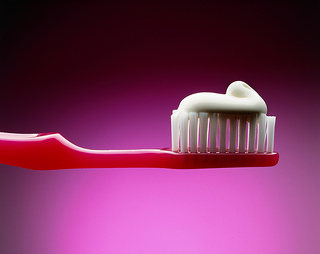
This may come as a surprise, but brushing your teeth right after a meal can be one of the worst things you can do for your healthy teeth. A toothbrush can be considered an assault weapon against your smile if used immediately after eating certain foods.

Enamel is like the tooth’s shield. It is a hard mineral exterior on each of your teeth. In reality, enamel is the hardest part of the human body—even stronger than bone! I like to regard it as a “super-structure.” But every superhero has a weakness, and enamel’s kryptonite is acid.

A healthy tooth lives in a mouth that has a proper pH balance. When that balance tips from alkaline to acidic, a harmful process called demineralization begins. Demineralization occurs when acids attack and soften the tooth surface. Pores and fissures form and harmful bacteria move in.

With each bite of food or drink, our mouth pH fluctuates. Highly acidic foods tip the balance of your mouth from a healthy alkaline to a dangerous acid. Here are some examples of those sources of acid: citrus fruits, soda, and sugary foods. There are certainly many others, but these are the most common.

So how does brushing your teeth immediately after a meal make this process even worse?

After eating highly acidic foods, your teeth are susceptible to damage. When you brush your teeth in this weakened state you are actually damaging your enamel. The abrasive bristles of the brush wear away the protective surface of the teeth. You should avoid brushing for at least an hour, or take other, simple preventive measures immediately following a meal.

First, rinse with or drink clear water. Then chew some sugarless gum. Both of these practices will produce saliva, restore a healthy pH level in your mouth, and coat your teeth with nourishing minerals. Out of all the sugarless gums available, the best of the best are those that list xylitol as the first ingredient. Another option is to consume cheese, milk, or another non-acidic food or drink to conclude your meal.

After you have given your mouth time to return to a healthy pH, feel free to brush your teeth. Just keep in mind that any time you eat acidic foods, you weaken your teeth. Make sure not to worsen the problem by brushing immediately after dining and damaging your teeth even more. Questions? Call us at Hanover Orthodontics.

The Truth about TMJ

April 15th, 2020

TMJ is the quick way of referring to your Temporomandibular Joint. Pardon the pun, but that’s quite a mouthful! What is this joint, what does it do, and, if your Dr. Donald Neely and our team have told you that you have a TMJ disorder, what can we do to help?

The Temporomandibular Joint

Your two temporomandibular joints are amazing works of anatomical design. These are the joints where the temporal bone in the skull meets the mandible bone of the jaw, and allow our mouths to open and close, move back and forth, and slide from side to side. Muscle, bone, and cartilage work together to provide easy movement and to cushion the joint. But sometimes, the joint doesn’t work as smoothly as it should, and this can lead to Temporomandibular Joint Disorder, or TMD.

When Should You Suspect You Have TMD?

You might have TMD if you experience any of these symptoms:

  • Painful chewing
  • Pain around your TMJ, or in your face or neck
  • Earaches
  • Changes in your bite
  • Jaws that are limited in movement or lock open or shut
  • Clicking, popping or grating noises when you open and shut your jaw

There are many conditions linked to TMD. If you grind your teeth at night, have arthritis in the jaw, have suffered an injury or infection in the area, or have problems with your bite, for example, you might be more likely to have TMJ problems. If you suspect you have TMD, or suffer from any of the symptoms listed above for an extended period, give us a call.

Treating TMD

During your visit to our Hanover, NH office, we will check your medical history, and examine your head and neck. We can take an X-ray or scan if needed for further examination of the joint. Because there is no real scientific agreement yet about the best way to treat TMJ disorders, a conservative treatment plan is often best. If you do show signs of TMD, we might first suggest relaxation techniques, over-the-counter pain relievers, or the use of ice packs or moist heat compresses. A change to a softer diet can help, and you should stop chewing gum and making any exaggerated jaw movements.

If these self-care practices aren’t effective, we might suggest a nightguard. This appliance is a comfortable and flexible mouthguard custom fitted for you, and will bring relief from teeth grinding when worn at night. If this treatment is not effective, talk to us about other options.

Luckily, most cases of TMD are temporary and don’t become worse over time. But any persistent discomfort is a good reason to visit us. Whether you have TMD, or any other problem causing you pain in the head or jaw, we want to help.

outside of office directions