August 21st, 2014

More than one patient has come into our office and asked, “What can I do to help my teeth when wearing Invisalign?”
While everyone’s teeth and dental needs are different, there are certain things everyone can do to make wearing their Invisalign aligners a more rewarding experience. Always follow the list of instructions and tips from Dr. Donald Neely, and add the following advice to your daily routine.
Always ask us about teeth whitening. Our team at Hanover Orthodontics knows how important it is for you to keep your teeth white and stain-free from the foods and drinks you consume daily. If you have attachments to your teeth, they will not whiten properly. Ask our office about teeth whitening when wearing your aligners; it might be best to wait until your treatment is complete.
Continue flossing every day. You should be flossing in any case. But it can be easy to assume that Invisalign will protect your teeth from bacteria. This is not true. Bacteria can get behind the aligners and affect the health of your teeth and gums, so keep up with your flossing schedule.
Follow the 48-hour rule when wearing your aligners. When you insert every new set of aligners, you should leave them in as much as possible during the first 48 hours. Your teeth will move more during this timeframe, and the aligners do the most good during this time.
You may experience slight discomfort while wearing your Invisalign aligners. You can take a pain reliever to help with the discomfort, but if you experience too much pain, please give us a call at our convenient Hanover, NH office to schedule an appointment!
August 14th, 2014

When it comes to straightening your smile, our team at Hanover Orthodontics knows that having a mouth full of metal braces may not be your idea of fun. Luckily for you, Dr. Donald Neely can offer a cosmetic alternative: Invisalign!
Using a series of clear, comfortable, and completely customized aligners, you can get the smile you’ve always wanted without traditional braces.
Since Invisalign aligners are discreet, they’re hardly noticeable when you speak and smile, and because they’re removable, you can eat and drink whatever you want. Just remember to brush and floss before putting your aligners back in! Treatment with Invisalign is just as effective as with metal braces, and the results are just as amazing!
If you want to know more about Invisalign, contact our Hanover, NH office to schedule an appointment.
August 7th, 2014

Now that many of the schools in Hanover, NH are back in session, Dr. Donald Neely would like to remind all of our patients about the importance of scheduling appointments in advance. With school, clubs, sports, and family duties to consider, we know that it can be challenging to find time to visit Hanover Orthodontics this fall. In order to accommodate all of our patients’ busy schedules, it is important that you plan ahead for your appointments so that we are able to provide you with a convenient appointment time.
As always, please remember to give us advanced notice if you’re unable to make your regularly scheduled appointment with Dr. Donald Neely and our team. Feel free to give us a call if you have any questions, or if you would like to schedule your fall appointment.
We’ll see you soon and hope summer is winding down nicely for you and your family!
July 31st, 2014
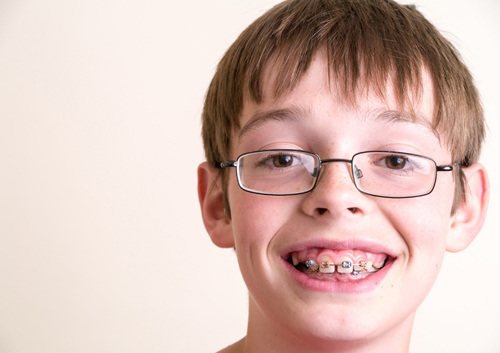
The average age of individuals who get braces is between nine and 14, although it is appropriate for younger children to visit Hanover Orthodontics for a consultation with Dr. Donald Neely. While parents may be concerned about the efficacy of early orthodontics, research suggests that early intervention can prevent greater dental health problems later in life.
What types of conditions require early intervention?
According to the American Association of Orthodontists, 3.7 million children under the age of 17 receive orthodontic treatment each year. Early intervention may be appropriate for younger children with crooked teeth, jaw misalignment, and other common issues. Early orthodontic treatment may be of use for several types of problems:
- Class I malocclusion. This condition is very common. It features crooked teeth or those that protrude at abnormal angles. In general, early treatment for Class I malocclusion occurs in two phases, each two years long.
- Class III malocclusion. Known as an underbite, in which the lower jaw is too big or the upper jaw too small, Class III malocclusion requires early intervention. Because treatment involves changing growth patterns, starting as early as age seven is a smart choice for this dental problem.
- Crossbite. Crossbite occurs when the upper and lower jaws are not properly aligned. An orthodontic device called a palatal expander widens the upper jaw, allowing teeth to align properly. Research suggests that early treatment may be beneficial in crossbite cases, especially when the jaw must shift laterally to correct the problem.
- Tooth extraction. That mouthful of crooked baby teeth can cause problems when your child’s permanent teeth erupt. For kids with especially full mouths, extracting baby teeth and even permanent premolars can help adult teeth grow in straight.
Considerations when thinking about early intervention
Early intervention isn’t helpful for all conditions. For example, research suggests that there is little benefit to early orthodontics for Class II malocclusion (commonly known as an overbite). Instead, your child should wait until adolescence to begin treatment. Scheduling a visit to our Hanover, NH office when your child is around age seven is a smart way to create an individualized treatment plan that addresses unique orthodontic needs.