
How do braces move my teeth?

October 16th, 2014

Great question! Tooth movement is your body’s natural response to light pressure applied by braces over a period of time (usually two years). Braces work by using brackets that are glued onto your teeth; these brackets have small slots, and that is where Dr. Donald Neely and our team insert orthodontic wires. These wires are held in place by small elastic ties that fit around the brackets. As time passes during your treatment, these wires apply pressure on your teeth, which sets in motion the movement of your teeth into their desired positions. Each of your teeth has a different size and shape to them, as do the brackets. Each bracket is custom-made for the particular tooth on which it’s supposed to fit.

Not long ago, orthodontists had stainless steel wires and that was about it. Today, however, we have a number of different high-tech wires at our disposal to move your teeth faster and more comfortably.

When you first get your braces on, the first wire or two will typically be very flexible, but still strong enough to apply a constant force on your teeth. As your teeth straighten out over time, however, Dr. Donald Neely will use progressively thicker and firmer wires to help move your teeth in place for an ideal bite.

Every time you visit our office for an adjustment, we will swap out the wires in order to keep putting pressure on your teeth, which is why it’s so important for you to keep your adjustment visits during your treatment. Most adjustment appointments are scheduled four to eight weeks apart to give your teeth time to move.

As for rubber bands and elastics, most of our patients will need to wear elastics or rubber bands at some point during their treatments. These elastics typically go from one or more of the upper braces to one or more of the lower braces, and pull on your teeth to move them in the direction they need to move in order to achieve an optimal bite.

If you have any questions about wires, brackets, or elastics, or have any general questions about your treatment, please give us a call at our Hanover, NH office.


Keep that candy at bay during your treatment!

October 9th, 2014

Now that you have braces, it is more important than ever to maintain good oral hygiene during your treatment, as Dr. Donald Neely will tell you. While we trust you will continue brushing and flossing on a regular basis throughout your treatment at Hanover Orthodontics, you also have to mindful of what you eat. While all those sweet, sour, and sticky candies may taste great, these treats can actually damage your teeth and braces!

Sour candies  can be acidic to your teeth, and actually wear down the enamel that protects them, resulting in tooth decay and cavities. If you do indulge in eating these candies at some point during your treatment, be sure to wash your mouth out with water, drink milk or eat a few slices of cheese. These foods will help neutralize the acid in your mouth.

Besides cavities and tooth decay, many people do not realize that good oral health and hygiene are important to your overall health, too; researchers have discovered the connection between periodontal disease and other major health concerns, such as heart disease. Therefore, it is important to maintain a good oral hygiene routine just as you did before your braces. This includes visiting your dentist here in Hanover, NH every six months, brushing and flossing daily, and using an antibacterial mouthwash, as well as visiting Dr. Donald Neely for your regular adjustment appointments.

For more questions about foods you should avoid while wearing braces, or if you have any general questions about your treatment, we encourage you to give us a call, ask us at your next adjustment appointment or ask us on Facebook!

What's on your fall reading list?

October 2nd, 2014

How better to spend the fall months than inside by the fireplace with a warm cup of cider and a book in hand? Dr. Donald Neely and our team at Hanover Orthodontics encourage you to warm up your mind this fall season with a few great books. Sure it may be easy to put off reading when balancing a hectic schedule, but reading is vital to brain development. Besides, reading is always a blast!

This week, we thought we’d ask what you or your child are reading this fall. Do you have any suggestions for must-read books this year? Out of ideas for great fall reads? Ask us for suggestions, and we would be happy to provide a few. You may also ask a local librarian here in Hanover, NH for some ideas.

Happy reading! Be sure to share with us your fall picks or your all-time favorites below or on our Facebook page!

Adults and Braces: Not just for kids anymore

September 25th, 2014

Just hearing the word “braces” can take many of us back to junior high — that painful era when we wore unattractive glasses, endured unflattering haircuts, and carried a mouthful of braces to complete the awkward adolescent look. Despite the common assumption that braces are for kids, more and more adults are choosing to pursue orthodontics to correct their smiles.

Braces for Adults

Perhaps you never had braces as a kid and you are embarrassed by your crooked teeth. Or you went through a round of braces a decade ago and stopped wearing your retainer, which allowed your teeth to shift. Whatever your personal history, wearing braces in adulthood is an excellent way to create the straight, beautiful smile you deserve.

What are my options?

With recent advances in orthodontic medicine, there are numerous options for adults who need braces. The basic option is traditional metal braces. These are best for individuals who have severely crooked teeth or a significant bite problem, or require other major orthodontic changes. Metal braces are typically the least expensive option. The greatest drawback to wearing metal braces as an adult is aesthetics. Many people find them unattractive and distracting.

If you are a professional who is worried about your personal appearance, clear ceramic braces may be a better choice. Clear braces are capable of handling very crooked teeth or bite issues, but they cost more than metal braces. You also have to be careful about smoking or drinking red wine, soda, and other dark beverages while wearing clear braces. These items may stain the adhesive that binds the brackets to your teeth.

Another popular option for adults who need braces is a clear aligner treatment, such as Invisalign®. This system works in a different way from traditional braces by applying a series of clear, retainer-like aligners. The series is custom made for your teeth, which makes this option more expensive than either metal or ceramic braces. In general, the Invisalign process takes anywhere from three to 18 months to complete. You should be aware that Invisalign is not as effective as traditional braces in treating bite problems, teeth that are lower or higher than others, or severely overcrowded teeth.

Although you may be nervous about the prospect of getting braces as an adult, you should not let your fears stop you from talking with Dr. Donald Neely. A consultation at our Hanover, NH office will address your concerns and provide information about the best course of treatment for you. No matter what your personal situation, adult braces can be a great way to boost your confidence and create the smile you’ve always dreamed of.

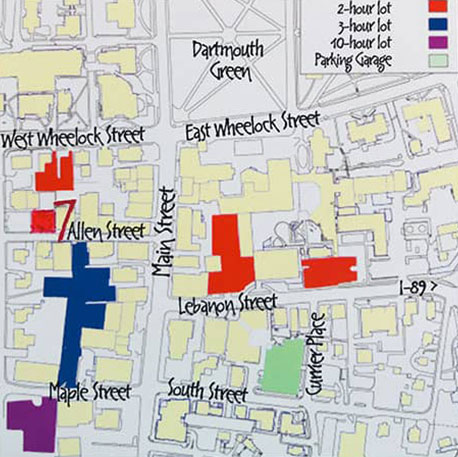
outside of office directions